
Tips for Organizing a Clutter-Free Home Office to Boost Productivity
pojajii >> Organization>> Tips for Organizing a Clutter-Free Home Office to Boost Productivity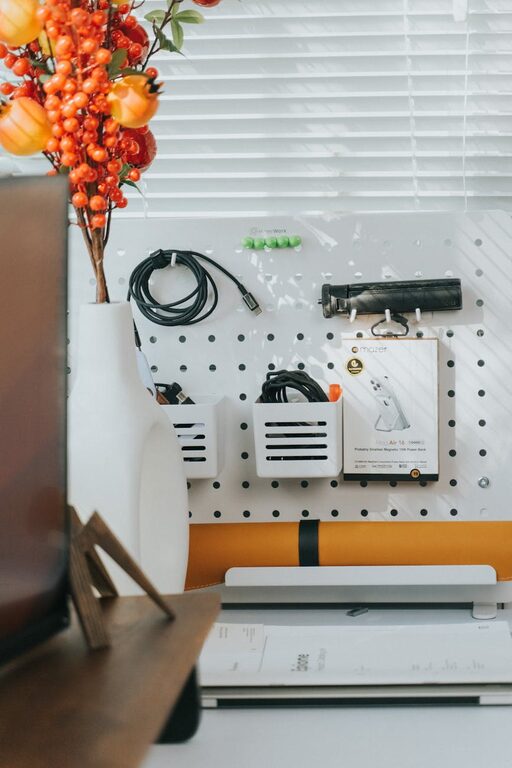
Tips for Organizing a Clutter-Free Home Office to Boost Productivity
Creating a clutter-free home office is essential for maintaining productivity and reducing stress, especially when working remotely. A disorganized workspace can distract you, lower your motivation, and make it difficult to focus on tasks. On the other hand, a clean and well-organized home office can inspire creativity and efficiency. Here are practical tips to help you organize your home office for a more productive and stress-free work environment.
1. Choose the Right Location
The first step in organizing your home office is selecting an appropriate spot. Ideally, your workspace should be in a quiet area with minimal distractions. Natural light is a bonus as it helps improve mood and alertness. Avoid high-traffic areas or places where you often socialize, as this can interrupt your workflow.
2. Declutter Your Desk
A cluttered desk can overwhelm your mind. Begin by removing everything from your workspace and only putting back the essentials, such as your computer, notepad, and a pen. Store less frequently used items in drawers or shelves. Keep your desk clear except for things you use daily.
Quick desk decluttering tips:
– Use desk organizers to keep pens, paper clips, and other small items tidy.
– Limit decorations to one or two motivational items.
– Keep cords managed with cable clips or sleeves to reduce visual mess.
3. Optimize Storage Solutions
Proper storage is key to maintaining a clutter-free office. Use shelves, filing cabinets, or storage boxes to keep paperwork, office supplies, and electronics organized and out of sight.
Consider these storage ideas:
– Label boxes and drawers so you can find items quickly.
– Sort documents into categories: urgent, to file, or to shred.
– Use vertical space with wall-mounted shelves to maximize floor area.
4. Go Digital Where Possible
Paper tends to accumulate quickly and creates unnecessary clutter. Aim to digitize documents, bills, and notes. Use cloud storage solutions like Google Drive or Dropbox to back up files and reduce physical paperwork.
Benefits of going digital:
– Easier to search and organize documents.
– Saves physical space.
– Environmentally friendly by reducing paper usage.
5. Establish Daily and Weekly Routines
Organization is an ongoing process. Set time aside daily to tidy your desk and weekly to file important papers, clear email inboxes, and review your supplies.
Daily habits might include:
– Putting away items after use.
– Discarding trash and recycling.
– Wiping down your desk to keep it clean.
Weekly routines can help:
– Replenish supplies.
– Organize your digital files.
– Plan your tasks and goals for the week ahead.
6. Create Zones for Different Activities
If your home office is used for multiple purposes, divide the space into zones. For example, designate one area for computer work, another for brainstorming or reading, and a separate space for meetings or phone calls. This creates physical boundaries and helps you stay focused on the task at hand.
7. Personalize Without Overdoing It
Adding personal touches to your office makes the space more inviting without causing distraction. Choose a few items that inspire you, such as a plant, a photo, or artwork.
Tips for personalization:
– Stick to a simple color palette that promotes calmness.
– Avoid cluttering surfaces with too many ornaments.
– Choose items that reflect your personality and motivate you.
8. Use Ergonomic Furniture
Comfort is crucial for productivity. Invest in a good chair and desk that support proper posture to reduce physical strain and fatigue.
Ergonomic considerations:
– Chair height should allow feet to rest flat on the floor.
– Desk height should let your arms rest comfortably at a 90-degree angle.
– Position your monitor at eye level to avoid neck strain.
9. Manage Cables and Electronics
Tangled cables are both frustrating and unsightly. Use cable organizers, clips, or boxes to keep wires neat. Unplug devices when not in use to save energy and prevent overheating.
10. Incorporate Greenery and Natural Elements
Plants can improve air quality and create a calming atmosphere. Choose easy-to-care-for plants like succulents or snake plants to add a touch of nature.
Conclusion
Organizing a clutter-free home office is achievable with consistent effort and smart strategies. By choosing the right location, decluttering, optimizing storage, and maintaining routines, you can create a workspace that enhances productivity and minimizes stress. Remember to add personal touches that motivate you and invest in ergonomic furniture to support your health. With these tips, your home office will become a comfortable and inspiring place to work every day.